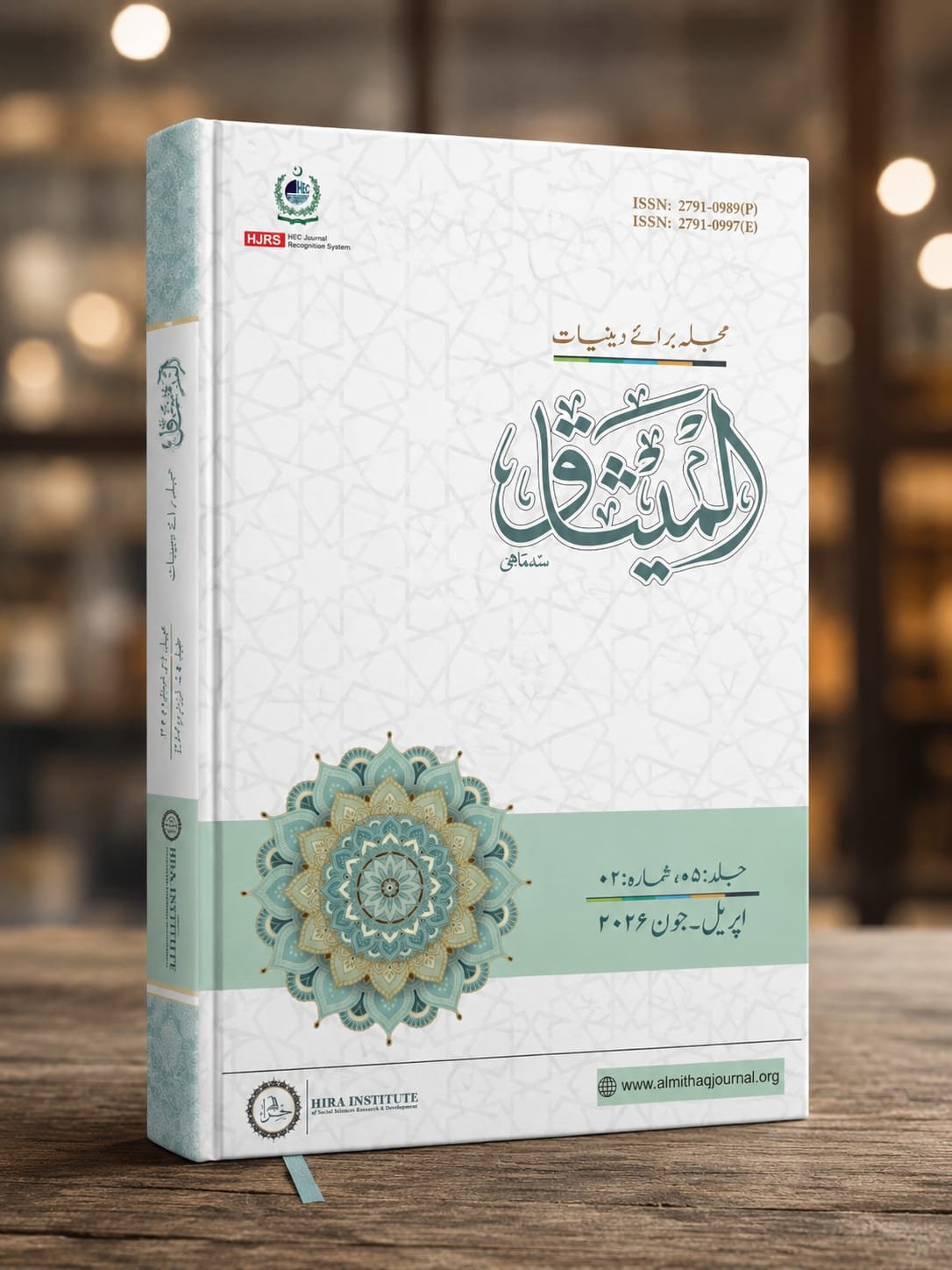
The Law of Qiṣāṣ (Retribution): A Comparative Study of Islamic and Previous Divine Laws in the Light of Tafsīr ʿUthmānī and Tafsīr Mājidī
قانونِ قصاص: تفسیر عثمانی اور تفسیر ماجدی کی روشنی میں اسلامی اور سابقہ الہامی شرائع کا تقابلی مطالعہ
Keywords:
Qiṣāṣ, Tafsīr ʿUthmānī, Tafsīr Mājidī, Justice, Social OrderAbstract
Qur’anic concept of Qiṣāṣ presents a balanced system of justice aimed at protecting human life and maintaining peace in society. It provides clear principles for dealing with intentional and accidental killing while also recognizing the importance of Diyah (blood money) and forgiveness. The law of Qiṣāṣ places equal value to human life and prevents discrimination based on social status, lineage, or power. The study interprets Allāma Mājidī and Allāma Shabbir Ahmad ʿUthmānī’s interpretations that Qiṣāṣ not only as a form of punishment but also as a means of preventing crime and controlling violence. The study elaborates their views highlighting the rights of the victim and the heirs while allowing them the choice of retaliation, compensation, or forgiveness. The Qur’ānic guidance also seeks to replace the excessive revenge practices of the pre-Islamic era with a regulated system of justice. At the same time, forgiveness is presented as a higher moral choice that can promote reconciliation and social harmony. Qiṣāṣ, therefore combines justice with mercy and establishes a framework that protects life, restrains violence, and strengthens social order.